Understanding Dog Body Language: Signs Your Dog Is Happy, Stressed or Afraid
A dog’s tail begins to move, and a person reaches down to say hello.
The dog turns their head. Their tongue flicks briefly over their lips. Their body becomes still. When the hand continues moving closer, the dog growls.
It is easy to focus on the growl. But the conversation began several moments earlier.
Dogs communicate continually through their posture, movement, facial expression and use of space. Learning to notice those quieter signals can help you understand when a dog feels comfortable, when they are becoming uncertain and when they need an interaction to stop.
For a newly adopted dog, being understood can be especially important. They are still learning who will listen, what is expected and whether moving away is allowed.
To understand what a dog may be communicating:
One signal does not tell the whole story. A wagging tail, raised paw, yawn or exposed belly can mean different things in different situations.
Dogs communicate with every part of their bodies.
When observing a dog, look at:
A relaxed dog’s body often appears loose and flexible. A worried dog may become smaller, lower or more distant. A dog preparing to defend themselves may become very still, shift their weight or stare.
The change from loose to tense can be more important than the exact position of any one body part.
Body language has meaning within a situation.
Ask:
Panting on a warm walk may help a dog cool down. Panting inside a cool veterinary waiting room, accompanied by trembling and a tucked tail, may have a different meaning.
A comfortable dog generally has a body that appears loose rather than rigid.
Possible signs include:
A relaxed dog can still be active or excited. Look for flexibility: can the dog pause, disengage and respond to their environment?
Play can be energetic, noisy and physical. Healthy play remains flexible and includes pauses.
A playful dog may:
Good play should allow both dogs to take breaks. If one dog continually attempts to leave, hides, becomes stiff or is repeatedly pinned or chased, interrupt the interaction calmly.
A dog who pauses and returns is choosing to continue. A dog who uses the pause to move away should be allowed to leave.
A dog may begin communicating discomfort before they bark, growl or attempt to escape.
Possible early signs include:
One behaviour by itself may have an ordinary explanation. Several signals appearing together—or appearing in response to a particular event—deserve attention.
If your dog turns away when someone reaches toward them, pause the interaction rather than reaching farther.
A frightened dog may try to become smaller, leave, hide or create distance.
Possible signs of fear include:
A dog who rolls onto their back may be asking for space rather than requesting a belly rub. Look for tension, a tucked tail, pinned ears, a turned head or attempts to move away.
When earlier signals have not created enough distance, a dog may communicate more directly.
Warning signs can include:
An air snap is not necessarily a failed bite. It can be a deliberate warning.
Stop the interaction immediately. Do not stare, reach for the dog or punish the warning. Create distance as safely and calmly as possible.
A dog’s tail can communicate emotion and arousal, but it should never be interpreted on its own.
Look at:
A broad, loose tail movement accompanied by a wiggly body may be part of a relaxed greeting.
A high, stiff or rapidly vibrating tail can indicate intense arousal. A low wag may occur when a dog is uncertain. A tucked tail often appears when a dog is worried or frightened.
Dogs naturally carry their tails in different positions. Some have curled, short or very furry tails, making other parts of the body especially important.
A wagging tail does not automatically mean that it is safe to approach.
Eyes can provide important information about tension and focus.
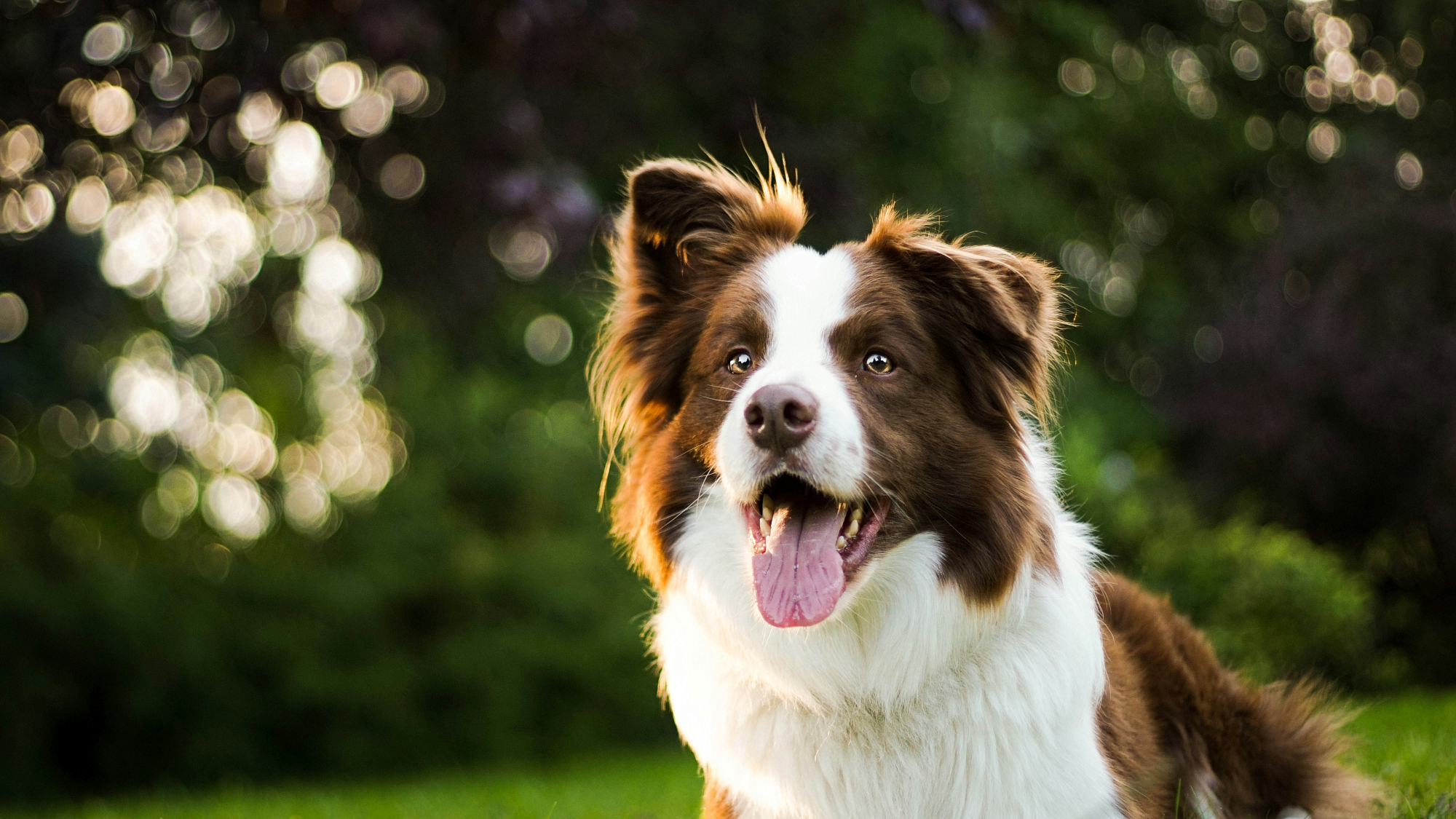
A relaxed dog’s eyes may appear soft, with no fixed stare. The dog can blink, look around and turn their attention away.
A dog who stares intensely without looking away may be highly focused or uncomfortable. Do not approach or reach toward a stiff, staring dog.
When a dog turns their head while keeping their eyes fixed on something, the whites of the eyes may become visible. This is sometimes called “whale eye.”
Whale eye can occur when a dog is worried about a person or animal approaching, particularly when the rest of the body is tense.
Pupil size changes with lighting as well as emotion. Enlarged pupils can occur with fear, excitement or arousal. Look at the rest of the dog and the environment.
Ear position can help you recognize changes in a dog’s emotional state.
Depending on the dog’s natural ear shape:
Floppy ears, cropped ears and thick fur can make ear signals difficult to see. Compare the current position with the dog’s normal appearance.
A relaxed dog may have a gently open mouth without tension around the lips.
Changes to notice include:
Dogs may pant because they are hot, active or excited. Panting can also occur with fear, pain or illness. Consider the temperature, activity and other body-language signals.
Difficulty breathing, unusual panting or a change in breathing requires veterinary attention.
Raised fur along a dog’s neck, shoulders or back is called piloerection.
It indicates arousal, but it does not tell you whether that arousal comes from excitement, uncertainty, fear or defensive behaviour.
Do not assume that raised fur automatically means aggression. Increase distance and look at the dog’s entire body.
Some dogs shake their bodies after an exciting, tense or uncomfortable experience. You may see this after handling, play, an encounter with another dog or a veterinary procedure.
A shake-off can be part of releasing tension and transitioning away from the experience.
Notice what happened immediately beforehand. If your dog repeatedly shakes off after a particular type of touch or interaction, they may be telling you that it is uncomfortable.
A raised front paw can have several meanings.
A dog may lift a paw while:
Look for other signs. A raised paw accompanied by a lowered head, ears pulled back and avoidance may indicate uncertainty. A dog who repeatedly avoids putting weight on a leg should be assessed by a veterinarian.
Rolling over can occur during relaxation, play, social interaction or fear.
A dog who is comfortable may have:
A worried dog may have:
Do not assume that every exposed belly is a request for touch.
For a dog who is comfortable around people, a brief pause can help you understand whether they want petting to continue.
Try this:
The dog may request more by:
The dog may decline by:
Respect either answer. Do not follow a dog who leaves.
Always ask the guardian before interacting with a dog.
Even with permission:
Holding out a hand for the dog to sniff can still place pressure on a worried dog. The dog can gather information from your scent without your hand being near their face.
If a loose dog approaches you and appears tense, remain calm, avoid sudden movement and do not run.
Children and dogs communicate differently. Adults must remain close enough to intervene and should never leave a young child alone with a dog.
Teach children that a dog needs space when they:
Children should not approach a dog who is:
Hugging can feel restrictive to many dogs. Encourage children to interact through gentle play, treat tossing or petting only when the dog chooses to participate.
When dogs meet, look for movement that is loose, curved and easy to interrupt.
Comfortable interactions may include:
Increase distance if you notice:
Neutral behaviour is a good outcome. Dogs do not need to play or greet closely to have a successful interaction.
A dog’s behaviour at the shelter may not look exactly the same at home.
During the first days or weeks, a newly adopted dog may:
This does not mean the dog has suddenly changed. Behaviour responds to the environment.
Keep routines predictable, limit overwhelming experiences and allow the dog to approach at their own pace. Contact the shelter if you are unsure about a new behaviour.
Changes in behaviour can be an early sign of physical discomfort.
Contact a veterinarian if your dog:
Do not assume that a sudden behaviour change is a training problem until possible medical causes have been considered.
No.
A growl communicates discomfort and provides an opportunity to stop before the situation escalates. Punishing the growl may increase fear and suppress an important warning without changing the dog’s underlying feelings.
When a dog growls:
Seek help early if growling, snapping or biting is occurring. Safety planning and professional guidance are important.
When reading a dog:
Not always. Dogs wag their tails when experiencing many emotions. Look at the tail’s height, speed and stiffness together with the dog’s posture, face and behaviour.
Whale eye describes the visible white of a dog’s eye when they turn their head while continuing to look toward something. It can be a sign of discomfort, particularly when accompanied by a tense body or attempts to move away.
Lip licking can occur when a dog is uncertain or stressed. It can also have medical causes, including nausea or oral discomfort. Consider the situation and consult a veterinarian if it is persistent.
Yawning can mean tiredness, but dogs may also yawn during stressful or uncomfortable situations. Look for accompanying signs such as head turning, lip licking, lowered posture or refusal of food.
No. Raised fur indicates arousal, which may be related to excitement, uncertainty, fear or defensive behaviour. Give the dog space and assess the whole body.
Freezing can occur when a dog is intensely focused, frightened, uncertain or preparing to respond. Stop approaching and give a suddenly still dog more space.
You do not need to place your hand near an unfamiliar dog’s face. Remain still and allow the dog to approach and gather information at their own pace.
Seek help when fear, guarding, growling, snapping, lunging or biting is repeated, escalating or creating a safety concern. Begin with a veterinarian to assess possible pain or illness, followed by an appropriately qualified behaviour professional.
Dogs rarely begin with their loudest message.
They may look away, shift their weight or take one step back. When those early signals make the pressure stop, the dog learns that quiet communication works.
Listening does more than prevent a difficult moment. It helps create a relationship in which a dog can make choices, feel understood and trust that they do not need to shout to be heard.