Wild animals are an important part of our shared community.
Most are best left undisturbed, but sometimes an animal may be sick, injured, orphaned, trapped or in distress.
If you are unsure whether an animal needs assistance or what to do next, the Guelph Humane Society (GHS) can help you assess the situation.
Call GHS for Urgent Wildlife Assistance
GHS Animal Services responds to wildlife emergencies 24 hours a day, seven days a week within the:
- City of Guelph
- Township of Centre Wellington
- Township of Guelph/Eramosa
If you have found a wild animal who may need urgent help, call 519-824-3091.
For everyone’s safety:
- Keep people and pets at a safe distance
- Do not approach, chase or handle the animal
- Do not offer food or water
- Do not attempt to transport the animal to GHS
- Note the animal’s exact location and condition
- If it is safe, take a photo or short video from a distance
Please call rather than email when an animal may require urgent assistance.
Signs a Wild Animal May Need Help
It can be hard to tell whether a wild animal needs help.
Contact GHS if an animal:
- Is bleeding, has a visible wound, or appears to have a broken leg or wing
- Has trouble standing, walking, or flying
- Is trapped, tangled in something, or unable to leave a dangerous location
- Is stumbling, walking in circles, very weak, or seems unaware of their surroundings
- Has been caught or injured by a cat or dog
- Is a young animal you know has lost their parent
- Is in immediate danger from traffic or another hazard
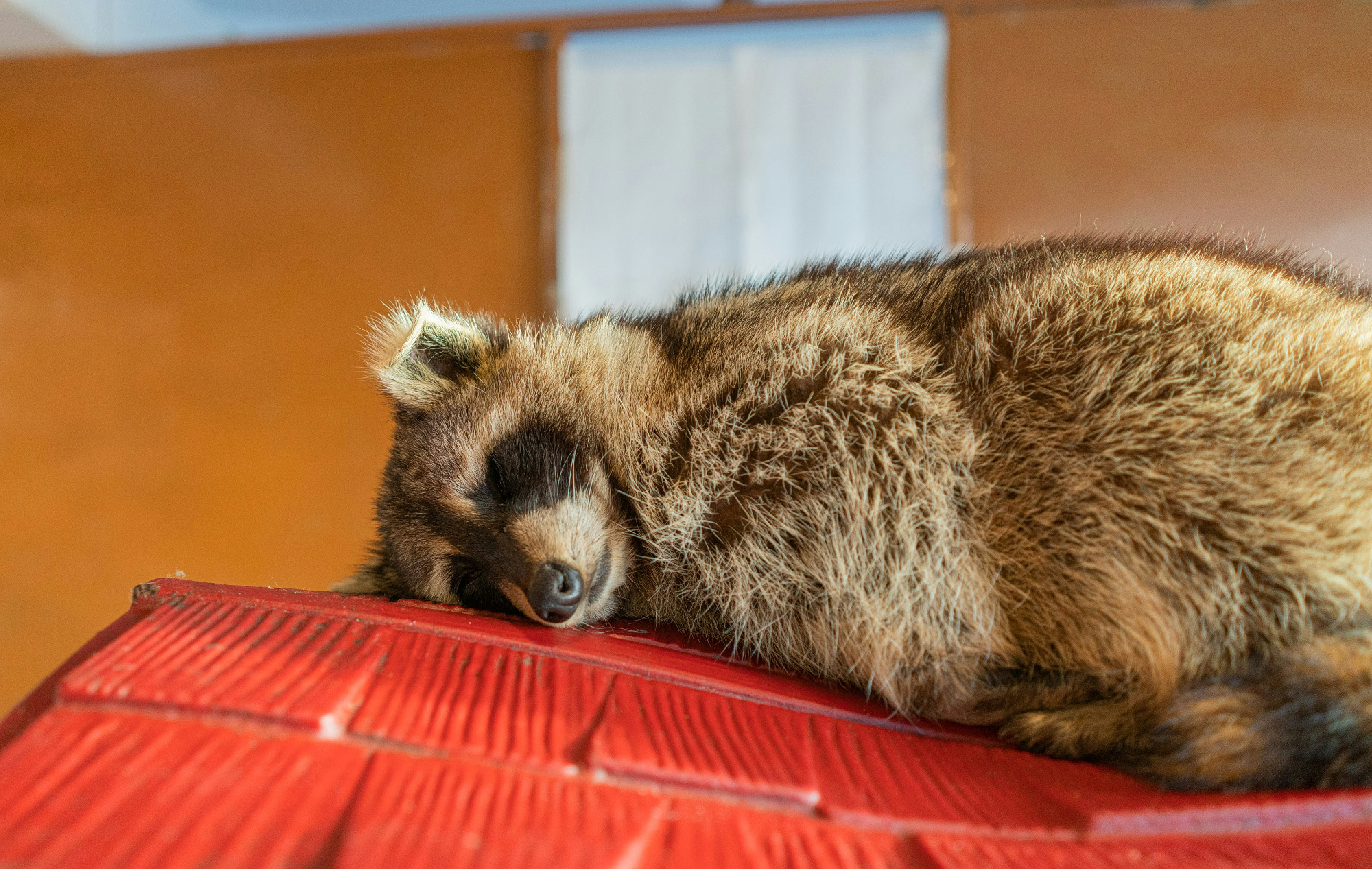
Seeing wildlife during the day isn’t always a cause for concern. Many animals, including raccoons, may be active during daylight hours, especially when caring for their young.
Not sure? Call us at 519-824-3091.
Our team can ask questions, review a photo or video, and help determine whether the animal needs assistance and what to do next.
Bites, Scratches, and Wildlife Contact
Wild animals can carry diseases that affect people and pets.
If someone has been bitten, scratched or may have had direct contact with a bat or another wild animal, seek medical attention and contact Wellington-Dufferin-Guelph Public Health for guidance.
If a pet has been bitten, scratched or had direct contact with wildlife, contact your veterinarian as soon as possible.
Do not attempt to capture or handle the wild animal. Tell GHS about any known contact when you call.
Before Helping a Young Wild Animal
Finding a young animal alone does not always mean they have been abandoned. Wild parents may leave their young for periods of time while finding food or avoiding attention from predators.
Moving a healthy young animal can separate them from a parent who is still nearby. Before touching or relocating a baby bird, rabbit, squirrel, fawn or other young animal, call GHS or an authorized wildlife rehabilitator for guidance.
What Happens After You Call?
Our Animal Services team will ask about the animal, their condition, exact location and any immediate safety concerns. Photos or videos may help us assess the situation.
Depending on the circumstances, we may:
- Provide instructions and recommend monitoring the animal
- Help determine whether a young animal can be safely reunited with a parent
- Arrange an Animal Services response
- Ask you to take specific steps while assistance is being arranged
- Coordinate assessment, veterinary care or transfer to an authorized wildlife rehabilitator
Please do not bring a wild animal to GHS unless our team has directed you to do so and confirmed the arrangements. Every decision is based on the animal’s condition, welfare and prospects for recovery and, whenever possible, return to the wild.
Wildlife Rehabilitation and Ongoing Care
Some wild animals need specialized treatment and rehabilitation before they can safely return to the wild.
Depending on the animal’s condition and needs, GHS may provide initial care and coordinate ongoing care with an authorized wildlife rehabilitator. Wildlife custodians in Ontario require provincial authorization, and caring for certain bird species may also require federal permits.
Wildlife rehabilitation provides temporary, specialized care with the goal of returning the animal to their natural habitat whenever possible.
Wildlife Rehabilitation Centres
The following are among the wildlife rehabilitation centres GHS may work with or recommend:
- Toronto Wildlife Centre – Toronto, ON
- Hobbitstee Wildlife Refuge – Jarvis/Nanticoke, ON
- Wildlife Haven Waterloo – Waterloo, ON
- Ontario Turtle Conservation Centre – Peterborough, ON
- Procyon Wildlife Rehabilitation and Education Centre – Beeton, ON
The species a centre can accept and its available capacity may change throughout the year. Always contact the centre and receive instructions before transporting an animal. Inclusion on this list does not guarantee that a centre will be able to accept an animal.
Concerns About Healthy Wildlife
Wildlife living near your home, resting on your property or appearing during the day may not require emergency assistance.
If an animal appears healthy but is creating a concern, email wildlife@guelphhumane.ca. Our team responds to non-urgent wildlife inquiries during regular business hours.
You can also explore our guidance about sharing space with wildlife and preventing conflicts humanely.
If an animal has entered your home or another structure and professional removal is needed, choose a provider that uses humane removal, family-reunion and exclusion practices.
Learn About Skedaddle’s Humane Wildlife Removal Services in Guelph
If You Live Outside the GHS Service Area
If you are outside the City of Guelph, Township of Centre Wellington or Township of Guelph/Eramosa, contact your local humane society, animal shelter or municipal animal-services provider.
You may also contact an authorized wildlife rehabilitator directly.
Always contact a rehabilitator before transporting an animal. The species they can accept and their available capacity may change.
Explore Wildlife Guides
Learn more about the wildlife commonly found in our community and how to respond safely and compassionately.