How to Choose the Right Pet for Your Household

Choosing the right pet for your household often begins with a connection. A photo catches your attention, an animal approaches you during a visit or something about their story stays with you. Those moments matter. They can be the beginning of a very special relationship.
For an animal waiting in a shelter or foster home, a first meeting offers only a glimpse of who they are. An unfamiliar environment can affect how an animal responds. Some may seem quiet or cautious, while others may appear excited or full of energy. As they begin to feel safe and secure, more of their personality can emerge.
The goal is not to set aside that first connection, but to build on it. By considering an animal’s energy level, age, temperament and care needs—and how those needs fit your everyday life—you can make a thoughtful choice that gives both you and your new companion the best opportunity to thrive together.
The right pet is one whose needs fit comfortably with the life and care your household can offer.
Before choosing a pet, consider:
Appearance may begin the connection, but compatibility is what helps that relationship grow.
It is easy to imagine long weekend walks, quiet evenings together and plenty of time for training or play. Your future pet, however, will share your regular weekdays too.
Think about your ordinary routine:
Choose a pet for the life you live most of the time—not only for weekends, holidays or the routine you hope to have someday.
Energy level is one of the most important and frequently underestimated parts of choosing the right pet.
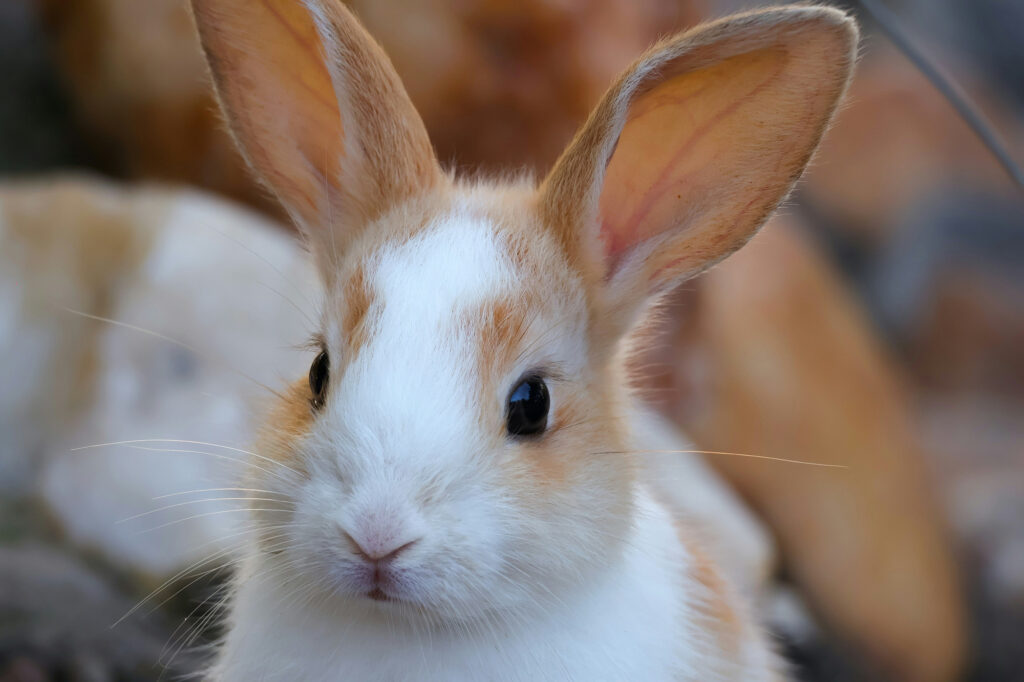
An active dog may need considerable physical exercise, training and mental enrichment every day. A playful cat may need frequent interactive play, climbing opportunities and activities that allow them to explore and express natural hunting behaviours. Rabbits and other small animals also need appropriate space, enrichment and time outside their primary enclosure.
Size alone does not tell you how active an animal will be:
A yard can be helpful for some dogs, but it does not replace appropriate walks, enrichment, training or time with their family.
The better question is not simply, “Will this animal fit inside my home?” It is, “Will their needs fit into my daily life?”
Younger does not necessarily mean easier, and older does not always mean less active. Each stage of life brings different joys and responsibilities.
Young animals can bring plenty of fun, curiosity and energy. They also generally require more supervision, patience and teaching.
Depending on the animal, you may need to provide:
A young animal’s adult size, energy level and temperament may not yet be fully known.
Adult pets often have more established personalities and routines. This can make it easier to understand their energy level, social preferences and likely fit with your household.
Adults can still be playful, active and eager to learn. They are also fully capable of developing close, meaningful relationships with a new family.
Senior pets may be a good match for people looking for a more settled companion. Some remain active and playful, while others prefer a slower pace.
Depending on their health, a senior animal may need:
Instead of asking which age is best, ask which stage of life you have the time, patience and resources to support.
Breed, size and physical characteristics may provide helpful information about some potential care needs, but they cannot tell you everything about an individual animal.
Two animals of the same breed—or even from the same litter—can have very different personalities. One may enthusiastically greet everyone they meet, while another needs time and space before feeling comfortable. One may enjoy a busy household, while another feels safest with a quiet, predictable routine.
When possible, learn how the individual animal responds to:
Temperament is not a measure of whether an animal is “good” or “bad.” A cautious animal is not less loving, and an energetic animal is not poorly behaved. The important question is whether their needs and natural ways of responding can be understood and supported in your home.
Behaviour may also change as an animal settles in. Information from a previous home, foster caregiver or shelter team provides valuable insight, but no assessment can predict exactly how an animal will respond in every new situation.
A successful match needs to work for the animal and the entire household.
Consider the children’s ages, experience with animals and ability to follow safe boundaries. Adults must remain responsible for the animal’s care, even when a pet is being adopted partly for a child.
Plan to:
Think about your current pet’s age, health, temperament and previous experience with other animals.
Some animals enjoy companionship, while others are happiest as the only pet. Introductions may take days or weeks and often require separate spaces, careful supervision and patience.
Wanting your current pet to have a friend does not necessarily mean they want one. Their comfort should be part of the decision too.
The size of your home is only one part of its suitability. How the space functions matters just as much.
Before adopting, consider:
A smaller home can work well when an animal’s physical, social and emotional needs are consistently met. A large home does not automatically make an animal a good fit.
Small does not necessarily mean simple, and familiar does not mean low-maintenance.
Every species has distinct needs:
Before choosing any animal, research their housing, diet, enrichment, social needs, veterinary care and expected lifespan.
Small animals are not practice pets. They are individuals with complex needs and deserve the same thoughtful planning as any other companion.
The cost of caring for a pet continues throughout their life. Some expenses are predictable, while others are not.
Your budget may need to include:
Also consider the time involved. Exercise, feeding, cleaning, enrichment, training and companionship are ongoing responsibilities—even during busy weeks or difficult periods.
No one can predict every future change. The goal is to understand the commitment and think realistically about how you would manage both expected and unexpected needs.
An adoption team can help you understand an animal’s known history, behaviour and care needs. Be open about your household, schedule, experience and concerns. Honest information helps the team identify potential matches.
Helpful questions include:
At the Guelph Humane Society, information about an animal may come from their known history, observations by the care team, experiences in a foster home and input from veterinary or behaviour professionals. While no one can predict every behaviour, this information helps the Adoptions team understand each animal’s needs.
Before deciding, ask yourself:
If several answers are uncertain, it may not be the right match—or simply not the right time. Pausing is better than making a decision that may be difficult for both you and the animal.
There is no single pet that is best for every family. The right choice depends on the animal’s individual needs and the household’s routine, activity level, environment, experience and ability to provide long-term care.
Breed or type may provide general information about potential size, grooming or activity needs. It cannot reliably predict an individual animal’s personality or behaviour. Consider breed alongside age, temperament, health, history and individual needs.
Not necessarily. Puppies and kittens generally require significant supervision, training and patience. Adult animals often have more established personalities and routines, making it easier to understand how they might fit into a household.
Some large dogs can live comfortably in apartments when their exercise, enrichment and other needs are consistently met. Energy level, noise, accessibility and daily routine are often more important than size alone.
Small animals are not necessarily easier or less expensive to care for. Many require specialized diets, housing, enrichment and veterinary care. Their needs should be carefully researched before adoption.
Appearance may begin your search, but compatibility is what helps a relationship last.
The right pet is not necessarily the youngest, smallest, most familiar-looking or first animal you meet. It is the animal whose needs fit the care, environment and life you can genuinely offer—not only today, but for years to come.