Preparing Your Home for a New Reptile
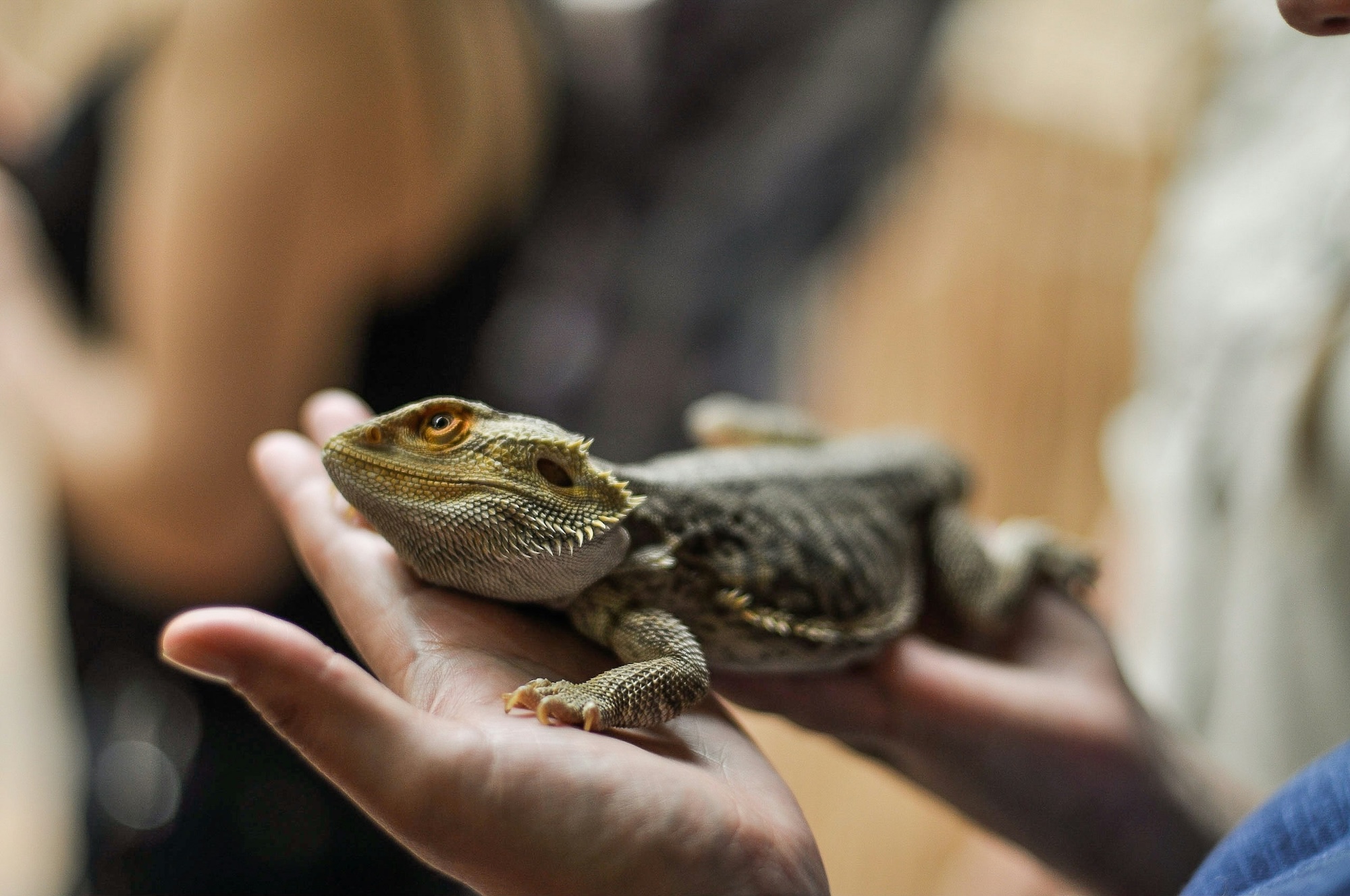
A newly adopted reptile may spend their first hours—or even days—almost completely still. They may retreat into a hide, remain beneath the substrate or watch the room without moving toward you.
This quietness does not mean they lack personality or will never become comfortable. For many reptiles, hiding is an important way to cope with change. They are adjusting not only to unfamiliar people and surroundings, but also to a new climate within their enclosure.
For a reptile, the habitat you prepare provides warmth, light, shelter and access to every essential resource. Setting it up carefully before adoption day gives your new companion the stability they need to begin feeling safe.
Before bringing home a reptile:
There is no universal reptile setup. A bearded dragon, leopard gecko, corn snake, tortoise and aquatic turtle require very different environments.
The word “reptile” includes animals from deserts, forests, grasslands, wetlands and aquatic environments. Their needs vary enormously.
Before purchasing an enclosure or equipment, ask the shelter or adoption team:
Use a care guide for the exact species rather than relying on a generic reptile checklist. Requirements may also change as a young reptile grows.
A reptile should not have to wait in a carrier while heating, lighting and humidity are adjusted.
Assemble the entire habitat and operate it for at least 24 to 48 hours before adoption day. Check the conditions at different times to make sure they remain stable.
During the test period:
The temperature of a reptile enclosure can change with room temperature, sunlight and seasonal weather. Continue checking it after your reptile arrives.
Place the enclosure on a strong, level surface that can support its full weight. Aquariums and large habitats can become extremely heavy once water, substrate and decorations are added.
Choose a location that is:
Direct sunlight can rapidly overheat a glass enclosure, even when the room feels comfortable. Do not rely on sunlight through a window to provide heat or UVB exposure.
The appropriate habitat depends on how the reptile moves and uses space.
For example:
Select an enclosure for the reptile’s expected adult size whenever practical. A habitat that appears spacious for a young animal may become inadequate surprisingly quickly.
Reptiles can push through loose lids, squeeze through cable openings and move doors that appear secure.
Inspect:
Use locks or clips designed for the enclosure. Heavy books or improvised weights are not reliable substitutes for secure hardware.
Reptiles are ectothermic, meaning they depend on their environment to regulate their body temperature. Most need access to warmer and cooler areas so they can move between them.
The required temperatures are species-specific. Do not estimate them based on how the enclosure feels to your hand.
A safe heating setup generally includes:
Thermostats control heat sources, but thermometers tell you what temperature the reptile is actually experiencing. Both are necessary.
Avoid heat rocks. Their surfaces may become dangerously hot and can cause serious burns.
If nighttime heat is required, use a species-appropriate heat source that does not produce visible light. Constant red, blue or purple lighting can interfere with a normal day-and-night cycle.
Light affects more than visibility. It helps establish a day-and-night rhythm, and many reptiles require appropriate ultraviolet B—or UVB—exposure to support normal calcium metabolism and health.
UVB requirements depend on the species. The strength, distance and duration must all be correct.
When preparing lighting:
A bulb may continue producing visible light after its useful UVB output has declined. Do not wait for it to burn out before replacing it.
Ask the adoption team or an experienced reptile veterinarian for the exact equipment and positioning required.
Humidity that is too high or too low can contribute to shedding, skin and respiratory problems. The correct range depends on the species and may change during a shedding cycle.
Use a digital hygrometer rather than guessing.
To manage humidity safely:
A tropical species does not necessarily need a constantly wet enclosure, and a desert species may still require access to moisture. Follow species-specific guidance.
Hiding is a normal and necessary reptile behaviour. A reptile who cannot get out of sight may experience ongoing stress.
Many terrestrial reptiles benefit from:
Whenever possible, offer similar hides in different temperature zones. This allows the reptile to choose a temperature without giving up security.
Do not remove a hiding reptile simply to encourage interaction. Allow them to emerge when they feel ready.
Substrate is the material covering the bottom of the habitat. The safest choice depends on the reptile’s species, age, health and natural behaviour.
Before selecting substrate, consider whether the animal:
Loose substrate can support digging and other natural behaviours when it is appropriate and maintained correctly. The wrong loose material, however, may contribute to ingestion, irritation, excessive dust or difficulty monitoring waste.
Paper towel or another simple lining may be recommended temporarily during quarantine or medical monitoring. It is not necessarily the best permanent environment for every species.
Avoid choosing substrate based only on appearance. Ask which material the reptile currently uses and confirm any change with the adoption team or veterinarian.
A reptile enclosure should offer more than heat, food and an empty floor. Enrichment provides opportunities to explore, climb, dig, hide, bask and make choices.
Depending on the species, consider:
Make sure every heavy item rests securely. Decorations placed loosely on top of deep substrate can collapse onto a burrowing animal.
Check that:
Introduce major changes gradually once your reptile is settled. A completely rearranged habitat can be stressful, particularly for an animal who relies on familiar hiding and basking locations.
Reptile diets may include plants, insects, prepared diets, fish or whole prey. Foods are not interchangeable between species.
Before adoption day:
An abrupt change in diet or feeding method may cause a reptile to refuse food. Continue the established routine initially unless a veterinarian recommends otherwise.
Purchase feeder insects and rodents from reputable sources. Do not collect wild insects, which may carry pesticides, parasites or other hazards.
Live insects left in an enclosure may bite or distress a reptile. Remove uneaten insects as directed for the species.
Frozen feeder rodents should be:
Never microwave a feeder rodent or prepare reptile food on a kitchen counter.
Water needs vary. Some reptiles drink from bowls, some lap droplets from leaves and others spend much of their lives in water.
Depending on the species, the habitat may require:
Water containers should be stable, accessible and easy to clean. A soaking dish should allow the reptile to enter and exit safely.
Aquatic turtles require powerful filtration and regular water-quality maintenance. Clear-looking water is not necessarily clean water.
Not every reptile enjoys being handled, and tolerating handling is different from seeking it.
Ask the adoption team to demonstrate the safest way to move the individual animal. Some reptiles should be supported along the whole body, while others require specialized handling.
General handling principles include:
Snakes should not be placed around a person’s neck. Large or powerful reptiles may require more than one trained handler.
Cats, dogs, birds and small mammals should not have direct contact with a reptile. Even curious observation through glass can cause stress, and a damaged screen or open door can lead to injury.
Before arrival:
Do not rely on another animal’s friendly behaviour. Predator-and-prey instincts can appear without warning.
Reptiles can carry Salmonella bacteria while appearing healthy and clean. People can become ill through direct contact with a reptile or indirect contact with the habitat, food, water and equipment.
To protect your household:
According to Canadian public-health guidance, children five years of age and younger, pregnant people, older adults and people with weakened immune systems are at greater risk of serious illness and should not handle reptiles or items from their habitats.
Reptiles are sometimes perceived as easy pets because they are quiet and do not require walks. Their environmental, nutritional and veterinary needs can be complex.
An adult should always be responsible for:
Teach children to:
Heat sources, thermostats, lighting, filters and misting systems can fail. A power outage can quickly affect a reptile’s environment, especially during an Ontario winter or summer heat event.
Create an emergency plan that includes:
Never place a chemical heat pack directly against a reptile or inside a sealed carrier. These products can cause burns, overheating or unsafe fumes. Ask your veterinarian how to provide emergency warmth safely.
Not every veterinary clinic treats reptiles, and experience may vary by species. Find an appropriate veterinarian before your reptile arrives.
Ask when a new-pet examination should be scheduled and whether you should bring:
Learn what is normal for your reptile, including:
Reptiles may conceal signs of illness. Contact a veterinarian promptly if you notice a concerning change rather than waiting for the next scheduled visit.
Transport your reptile in a secure, ventilated container appropriate to the species. Avoid loose rocks, water dishes or heavy decorations that could move during the trip.
During transportation:
Place the transport container inside a closed room before opening it. Move the reptile into the prepared enclosure using the handling method recommended by the shelter.
Your new reptile may hide, remain still or eat less while adjusting. Avoid unnecessary handling and changes during this period.
For the first several days:
Do not repeatedly lift hides to check on the reptile. Observe discreetly and allow their shelter to remain a secure place.
Before your reptile arrives, confirm that:
Operate and monitor the complete setup for at least 24 to 48 hours. Check temperatures and humidity at different times of day and make any adjustments before the reptile enters the habitat.
No single heating method is appropriate for every reptile. The correct heat source depends on the species, enclosure and required temperatures. Every heat source should be controlled by an appropriate thermostat and checked with reliable thermometers.
UVB needs vary by species, but many reptiles require or benefit from carefully managed UVB exposure. Ask for species-specific guidance about bulb strength, distance, placement and replacement.
Heat rocks are not recommended. Their surfaces may become dangerously hot and can cause severe burns. Create a properly controlled warm or basking zone instead.
There is no universal best substrate. The correct choice depends on the species, age, health, humidity requirements, feeding method and natural behaviours. Continue using the familiar substrate initially unless there is a safety or medical reason to change it.
Many commonly kept reptiles are solitary and may become stressed or injured when housed together. Even animals of the same species may compete for heat, food and hiding places. Do not add a companion unless cohabitation is appropriate for the species and recommended for the individual animals.
Allow your reptile time to become familiar with the habitat and establish normal eating and hiding routines. The appropriate waiting period varies. Ask the adoption team when and how to begin brief, gentle handling.
Reptiles should not roam unsupervised. Household temperatures, escape routes, furniture, electrical cords, other pets and contaminated surfaces can create risks. Use a secure, controlled space and keep sessions appropriate for the species.
Reptiles can be fascinating family companions, but adults must manage their specialized habitat, diet, hygiene and veterinary care. Canadian public-health guidance states that children aged five and younger should not handle reptiles because of the risk of Salmonella.
A reptile may not greet a new guardian at the enclosure door. Their first signs of comfort can be much quieter: choosing a basking spot, exploring after the room becomes still, eating a familiar meal or resting where they no longer feel completely hidden.
Creating the right environment allows those behaviours to emerge. When warmth, light, shelter and care are predictable, a reptile arriving from a shelter can begin adjusting without being rushed—and their new guardian can begin discovering the individual behind the scales.
The guidance reflects current husbandry information from the RSPCA’s reptile care resources, including its bearded dragon, corn snake and leopard gecko guides. Hygiene recommendations are based on the Government of Canada’s Salmonella and reptiles guidance and pet food safety information.